
How Can Isotretinoin Capsules Transform Acne-Prone Skin?
June 16, 2026 2026-06-16 17:52How Can Isotretinoin Capsules Transform Acne-Prone Skin?
 admin
admin How Can Isotretinoin Capsules Transform Acne-Prone Skin?
Acne can affect appearance, confidence, and emotional well-being at any stage of life. Persistent breakouts often leave scars and uneven texture that remain long after active blemishes disappear. Isotretinoin capsules have changed the approach to severe and stubborn acne by targeting its root causes rather than only treating visible symptoms. Their ability to reduce oil production and improve skin renewal offers long-lasting results for many individuals. Proper medical supervision and consistent treatment can significantly improve skin quality while reducing the likelihood of future acne flare-ups.
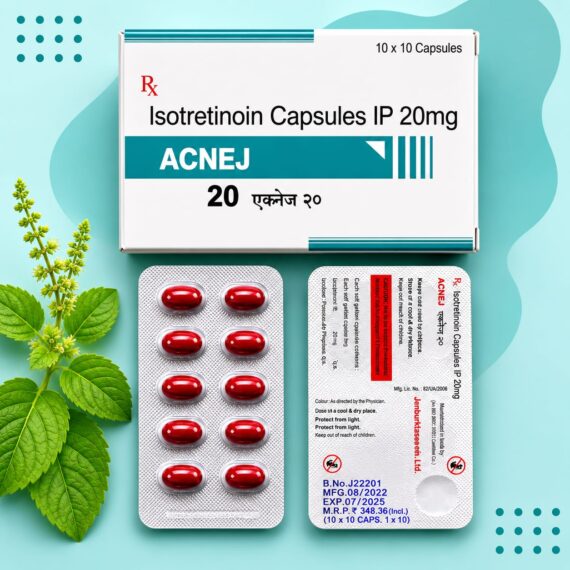
Why Does Acne Becomes Difficult to Control?
Many people manage occasional pimples with topical products, yet severe acne often requires a different approach.
Moreover, multiple internal and external factors contribute to persistent breakouts, making simple skincare routines insufficient. Excess oil, clogged pores, bacterial growth, and inflammation combine to create an ongoing cycle that becomes increasingly difficult to control.
Primary Causes of Persistent Acne
Several factors contribute to chronic acne, including:
- Excessive sebum production
- Hormonal fluctuations
- Dead skin cell buildup
- Bacterial activity
- Genetic influence
- Inflammatory responses
- Stress-related changes
- Improper skincare habits
Consequently, effective treatment often requires addressing several causes at the same time instead of focusing on surface symptoms alone.
How Do Isotretinoin Capsules Work?
Unlike many traditional acne treatments, isotretinoin acts from within the body.
The medication reduces the size and activity of sebaceous glands, leading to significantly lower oil production. As a result, clogged pores become less common, and bacteria find fewer conditions that support growth.
Moreover, reduced inflammation allows existing blemishes to heal more effectively while helping prevent new lesions from forming.
Targeting Oil Production
Excess oil plays a major role in severe acne.
By decreasing sebum production, isotretinoin changes the skin environment and limits the buildup that blocks pores. Consequently, the frequency and severity of breakouts often decline throughout the treatment period.
Supporting Healthy Skin Renewal
Skin naturally sheds dead cells.
However, acne-prone skin may accumulate excess debris inside pores. Isotretinoin encourages more balanced cell turnover, reducing congestion and promoting smoother skin texture over time.
Visible Changes During Treatment
Skin transformation occurs gradually rather than immediately.
Many individuals notice different stages of improvement as treatment progresses. Patience remains essential because temporary changes may occur before clearer skin becomes visible.
Early Phase
Initial weeks may include:
- Reduced oiliness
- Dry lips
- Mild skin dryness
- Temporary increase in breakouts
- Gradual reduction in new pimples
These responses often reflect the medication beginning to regulate skin activity.
Middle Phase
As treatment continues, many people experience:
- Fewer inflamed blemishes
- Smaller acne lesions
- Improved skin texture
- Less redness
- Reduced pore congestion
Moreover, skin often feels less greasy, making daily skincare easier to manage.
Later Phase
Long-term improvements may include:
- Clearer complexion
- Fewer active breakouts
- Better skin smoothness
- Reduced inflammation
- Lower risk of severe acne recurrence
Consequently, many individuals enjoy lasting improvements after completing the prescribed course.
How Can Isotretinoin Transform Acne-Prone Skin Over Time?
Successful acne treatment extends beyond reducing visible pimples. The medication gradually changes the conditions that allow severe acne to develop, creating healthier skin from within.
Moreover, consistent use under medical supervision supports long-term improvement rather than short-lived relief. As oil production decreases and inflammation subsides, the skin gains an opportunity to repair itself more effectively.
Reduction in Excess Sebum
Overactive sebaceous glands often produce more oil than the skin requires.
Isotretinoin significantly reduces this production, leaving pores cleaner and less likely to become blocked. Consequently, blackheads, whiteheads, and inflamed lesions occur less frequently throughout treatment.
Lower oil levels also help many individuals maintain a fresher appearance during the day.
Fewer New Breakouts
Stopping the cycle of recurring acne remains one of the medication’s greatest advantages.
Instead of treating only existing blemishes, isotretinoin creates an environment where new acne struggles to develop. Moreover, continued improvement often becomes more noticeable with each passing month.
As inflammation decreases, the skin gradually appears calmer and more balanced.
Improvement in Skin Texture
Acne affects more than appearance alone. Repeated inflammation often leaves rough patches and uneven texture that reduce overall skin quality.
Fortunately, isotretinoin supports healthier skin renewal while reducing the congestion responsible for persistent roughness.
Smoother Surface
Many patients notice:
- Softer skin texture
- Less visible congestion
- Improved overall smoothness
- Reduced rough patches
- More refined skin appearance
However, patience remains essential because these changes develop progressively rather than overnight.
Cleaner Pores
Blocked pores create the foundation for future acne.
By reducing oil and promoting normal skin shedding, isotretinoin helps pores remain clearer. Consequently, both inflammatory and non-inflammatory acne lesions become less common.
Long-Term Benefits Beyond Active Treatment
Many acne therapies require continuous use to maintain results.
In contrast, isotretinoin often provides lasting improvement after completing the prescribed course. Although some individuals may require additional treatment later, many experience extended periods with significantly fewer breakouts.
Potential Long-Term Advantages
- Lower recurrence of severe acne
- Reduced dependence on multiple skincare products
- Improved skin confidence
- Better skin texture
- Less excessive oil production
- Fewer inflamed lesions
- More consistent complexion
Moreover, reducing severe acne early may help minimize permanent scarring.
Effect on Acne Scars
Existing scars do not disappear immediately during isotretinoin therapy.
However, preventing new inflammatory lesions helps reduce additional scar formation. Consequently, skin gains a better opportunity to heal without repeated damage.
After treatment concludes and the skin stabilizes, healthcare professionals may recommend scar-focused procedures if appropriate.
Preventing Future Damage
Every severe breakout increases the possibility of permanent marks.
Controlling active acne reduces ongoing inflammation, allowing healthier skin regeneration and decreasing the chance of developing deeper scars.
Importance of Following Medical Instructions
Professional supervision remains essential throughout isotretinoin treatment.
The medication requires careful monitoring because dosage varies according to body weight, treatment goals, and individual response. Moreover, routine follow-up appointments help evaluate progress and manage potential side effects.
Patients should never adjust dosage independently or discontinue treatment without medical advice.
Good Treatment Habits
Helpful practices include:
- Taking medication exactly as prescribed
- Attending scheduled medical reviews
- Following skincare recommendations
- Staying hydrated
- Using moisturizer regularly
- Applying sunscreen daily
- Reporting unusual symptoms promptly
- Maintaining realistic expectations
These habits contribute to both safety and successful outcomes.
Managing Common Side Effects
Most individuals experience manageable side effects during treatment.
Fortunately, simple skincare adjustments often improve comfort while allowing therapy to continue effectively.
Frequently Reported Effects
- Dry lips
- Dry skin
- Mild eye dryness
- Increased sun sensitivity
- Temporary skin irritation
Moreover, moisturizing products and sun protection often reduce daily discomfort significantly.
Lifestyle Habits That Support Better Results
Healthy daily choices complement medical treatment and promote stronger skin recovery.
Balanced nutrition, sufficient sleep, hydration, and stress management support overall skin health while allowing the body to function efficiently.
Supportive Daily Habits
- Eat nutrient-rich meals
- Drink adequate water
- Sleep consistently
- Exercise regularly
- Avoid picking blemishes
- Maintain gentle skincare
- Protect skin from sunlight
- Follow medical advice carefully
Consequently, these habits help maximize treatment benefits while supporting long-term skin wellness.
Choosing Reliable Medication Sources
Safety should remain a priority whenever obtaining prescription medication.
Many people prefer the convenience of buying isotretinoin capsules online in USA through properly regulated pharmacies that require valid prescriptions and maintain recognized quality standards.
Avoid purchasing medication from unknown sources because product authenticity and safety cannot always be verified.
Emotional Benefits of Clearer Skin
Acne often affects more than physical appearance. Persistent breakouts may influence social interactions, confidence, and self-image. As skin gradually improves, many individuals notice positive emotional changes alongside visible results.
Moreover, clearer skin may encourage greater participation in personal and professional activities without constant concern about active blemishes.
Positive Changes Many People Notice
Improved skin clarity may contribute to:
- Greater self-confidence
- Better comfort during social situations
- Reduced concern about visible acne
- Increased willingness to participate in photographs
- Enhanced satisfaction with overall appearance
Although emotional responses vary, healthier skin often supports a more positive outlook.
Patience Plays an Important Role
Many acne sufferers expect immediate transformation after beginning treatment.
However, isotretinoin works by changing the biological processes that create acne, and those changes require time. Consequently, visible improvement usually develops gradually throughout the prescribed course.
Temporary flare-ups during the early weeks do not necessarily indicate treatment failure. Instead, consistent use under medical supervision often leads to steady progress over several months.
Setting Realistic Expectations
Patients should remember several important points:
- Improvement occurs gradually.
- Initial breakouts may temporarily increase.
- Dryness commonly accompanies treatment.
- Skin texture improves over time.
- Long-term benefits often outweigh short-term inconvenience.
Maintaining realistic expectations helps reduce unnecessary frustration and encourages adherence to the prescribed plan.
Common Mistakes That Can Affect Results
Proper treatment involves more than taking medication alone. Certain habits may interfere with progress or increase unwanted side effects.
Avoiding these mistakes supports a smoother treatment experience and helps protect overall skin health.
Practices to Avoid
- Skipping prescribed doses
- Using harsh exfoliating products
- Picking or squeezing pimples
- Ignoring severe side effects
- Excessive sun exposure
- Using unapproved acne medications simultaneously
- Stopping treatment prematurely
- Failing to attend follow-up appointments
Moreover, careful adherence to medical instructions improves consistency and safety throughout therapy.
Who May Benefit Most From Isotretinoin Capsules?
Not every case of acne requires isotretinoin treatment. Healthcare professionals generally reserve it for individuals with severe, persistent, or scarring acne that fails to respond adequately to other therapies.
Consequently, appropriate patient selection contributes significantly to successful outcomes.
Potential Candidates
Medical evaluation may recommend isotretinoin for individuals with:
- Severe nodular acne
- Recurrent cystic acne
- Extensive inflammatory lesions
- Acne causing permanent scars
- Persistent breakouts despite conventional treatment
- Significant oil production contributes to severe acne
Professional assessment remains essential before initiating therapy.
Conclusion
Isotretinoin capsules can significantly transform acne-prone skin by reducing oil production, preventing clogged pores, calming inflammation, and lowering the frequency of severe breakouts. Moreover, long-term improvements often continue after treatment ends, offering clearer skin and better texture for many individuals. Careful medical supervision, healthy daily habits, and consistent adherence to the prescribed plan remain essential for achieving safe and lasting results while minimizing potential complications.
FAQs
1. How does isotretinoin improve acne-prone skin?
Isotretinoin reduces oil production, decreases inflammation, limits clogged pores, and discourages bacterial growth. These combined actions target the major causes of severe acne, allowing skin to heal while reducing future breakouts and improving overall texture.
2. How long does it take to notice visible improvement?
Many individuals begin seeing gradual improvement after several weeks, although the timeline differs between patients. Full benefits generally develop throughout the treatment course as oil production declines and inflammation steadily decreases.
3. Can acne become worse before it gets better?
Yes. Some patients experience an initial flare-up during early treatment. This temporary response often resolves as the medication continues regulating skin activity and reducing the factors responsible for severe acne development.
4. Does isotretinoin permanently cure acne?
Many people achieve long-lasting remission after completing treatment. However, results vary, and some individuals may experience future breakouts that require additional medical evaluation or further therapy depending on their condition.
5. Why does isotretinoin cause dry skin?
The medication reduces oil gland activity throughout the body. Consequently, lower sebum production often leads to dry lips and skin, making regular moisturization an important part of daily care.
6. Can isotretinoin improve acne scars?
The medication primarily prevents new acne lesions rather than removing existing scars. By controlling inflammation and reducing severe breakouts, it lowers the likelihood of additional scar formation during treatment.
7. Is sunscreen necessary while taking isotretinoin?
Yes. Skin becomes more sensitive to sunlight during treatment. Daily sunscreen use helps reduce irritation, sunburn risk, and unnecessary skin damage while supporting healthier recovery.
8. Can skincare products still be used during treatment?
Gentle cleansers and moisturizers usually remain appropriate. However, harsh exfoliants and irritating products may worsen dryness and sensitivity, so patients should follow professional skincare recommendations carefully.
9. What lifestyle habits support better results?
Balanced nutrition, hydration, adequate sleep, stress management, gentle skincare, and consistent medical follow-up all contribute to healthier skin and help maximize treatment effectiveness throughout the prescribed course.
10. Why is medical supervision important during treatment?
Healthcare professionals monitor progress, adjust dosage when necessary, evaluate side effects, and ensure safe treatment. Regular supervision helps achieve optimal results while reducing potential risks associated with isotretinoin therapy.